The transition toward digital substations and smart grids has fundamentally changed the requirements for protection testing. Field engineers are no longer just checking if a relay trips; they are verifying complex integrated systems that handle protection, measurement, and control. This technical shift makes the choice of a secondary injection test set more critical than ever.
The Digital Shift in Secondary Injection Testing
Modern power systems rely on Intelligent Electronic Devices (IEDs) that communicate via IEC 61850 standards. These digital devices require a testing approach that balances sophisticated software logic with high performance hardware. As discussed in our guide on Primary vs Secondary Injection Testing, secondary injection remains the standard for precise logic verification.
However, the "digitalization" of the grid does not mean hardware becomes less important. On the contrary, because digital relays now perform multiple roles—such as Phasor Measurement (PMU) and high precision revenue metering—the analog sources used to test them must meet stricter standards for accuracy and versatility.
Three Phase vs Six Phase Relay Testing: Complexity vs Simplicity
The primary hardware decision often comes down to the number of available channels.
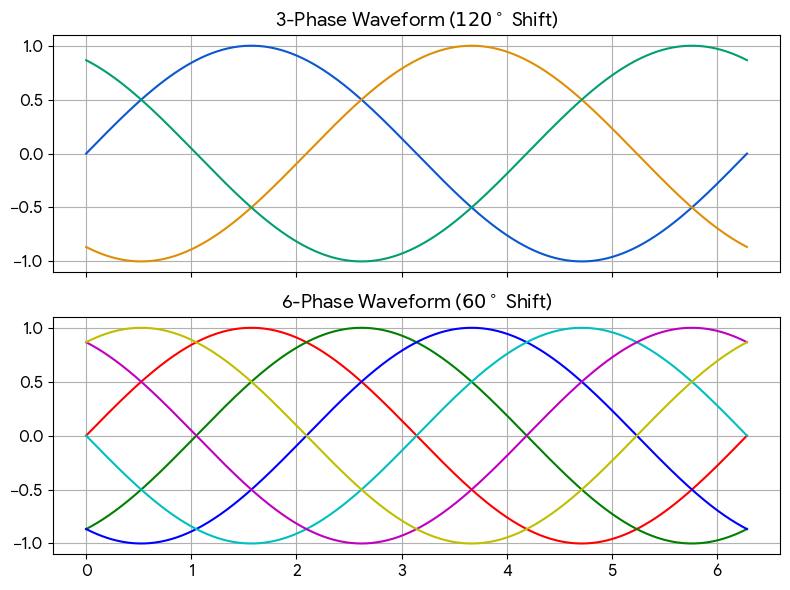
Standard 3-Phase Applications
Three phase units are designed for straightforward distribution protection. They excel in testing overcurrent, voltage, and frequency relays in settings where multi terminal logic is not present. If your maintenance scope is limited to simple radial feeders, a three phase unit offers a reliable and focused solution.
Why Digital Grids Demand 6-Phase Capability
In a modern digital substation, protection schemes like transformer differential and busbar protection are managed through complex algorithms. A six phase secondary injection test set is essential for these scenarios. It provides the twelve independent sources (six current, six voltage) needed to simulate faults across multiple winding groups or feeder segments simultaneously.
For instance, testing a digital transformer differential relay requires injecting currents into both the high voltage and low voltage sides. A 6-phase tester allows for this full system simulation in a single step, ensuring the digital logic correctly calculates the differential and restraint currents without requiring multiple test runs or risky manual re-wiring.
Why Precision and Portability Matter
It may seem counterintuitive that a digital grid requires better analog hardware, but the connection is clear when looking at IED functionality and grid geography.
High Precision for Multi-Functional IEDs
Today’s digital relays often replace separate energy meters. They are expected to meet Class 0.2 or Class 0.5 metering standards. To verify these devices, a portable protection relay tester must offer 0.05% output accuracy. This high precision ensures that the test set can double as a reference power source, allowing engineers to calibrate integrated metering modules during the same window they test protection logic.
Portability for Distributed Energy Resources
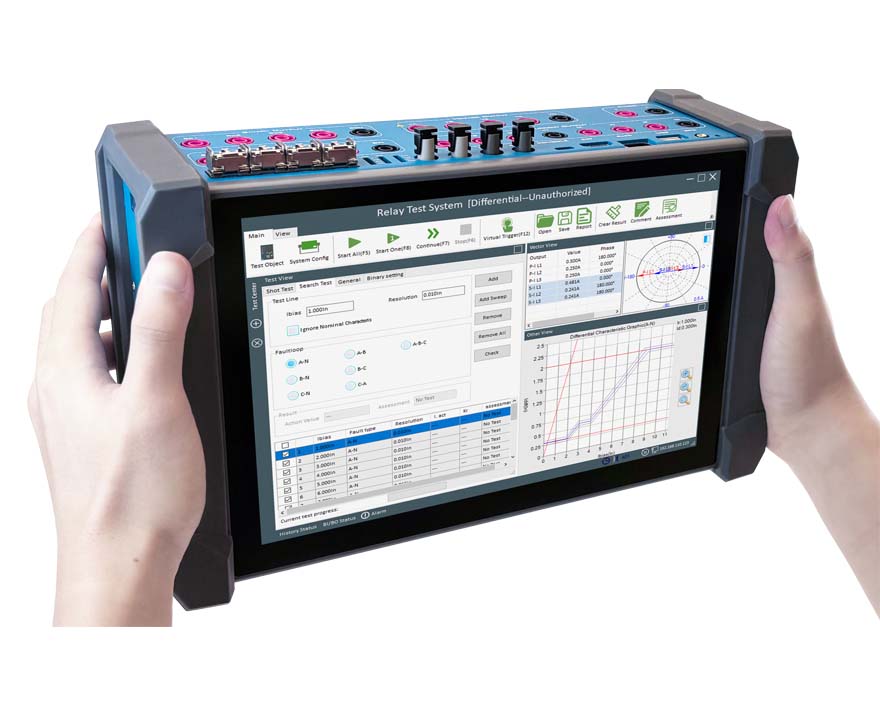
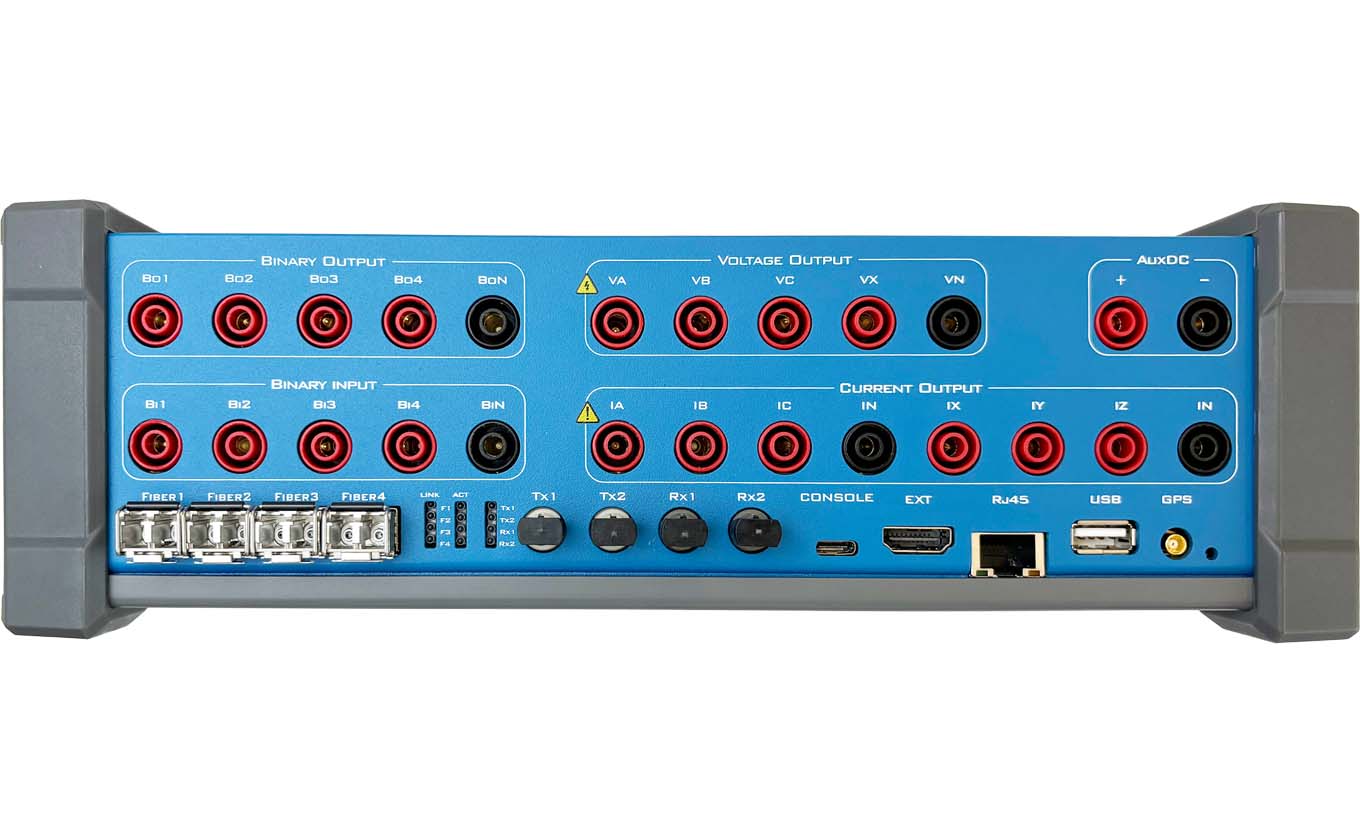
Digitalization is closely linked to the rise of renewable energy. Wind and solar farms are often located in remote areas with difficult access. This makes equipment weight a primary factor in operational efficiency. While traditional 6-phase sets were heavy and required multi person teams, modern engineering has produced units like the KFA320 (KINGSINE KFA320 Mini Universal Protection Relay Test Set). Weighing only 3.8kg, it provides full 6-phase capability in a handheld format, allowing a single engineer to perform complex digital commissioning in any environment.

KFA320 for the Digital Era: An Omicron CMC 356 Alternative
Many utilities seeking to modernize their fleet are looking for an Omicron CMC 356 alternative that fits within tighter budgets while maintaining technical parity. A successful alternative must provide the same robust current output and software flexibility but with added advantages in modern field conditions.
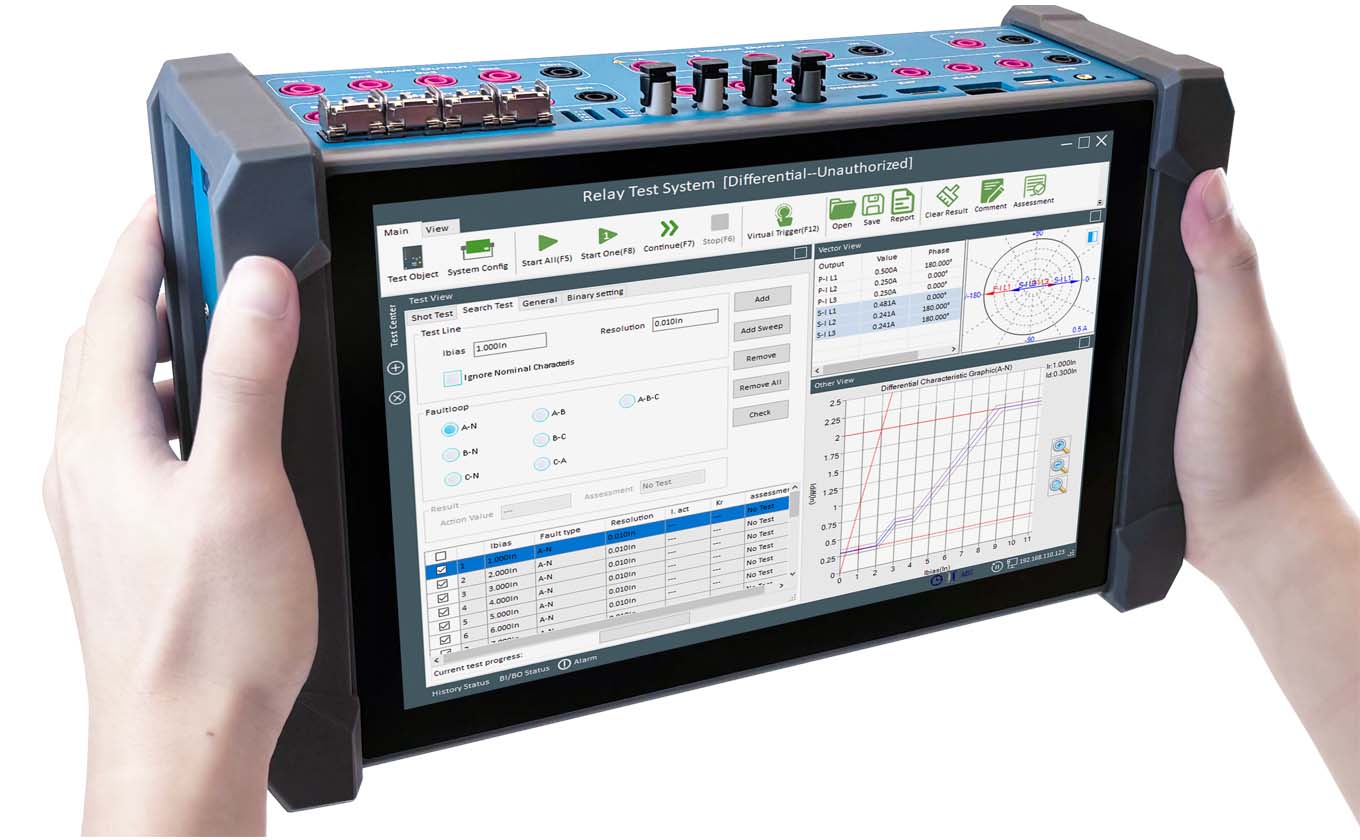
Key features of KFA320 include:
Modular Design: The ability to replace a power module on-site in 10 minutes significantly reduces downtime compared to factory returns.
IEC 61850 Integration: Native support for GOOSE and Sampled Values is non-negotiable for future proofing.
Template Libraries: Access to over 500 pre-configured relay templates (supporting RIO/XRIO) ensures that switching from legacy platforms to a new system is seamless for the engineering team.
Software Ecosystem: A Better Experience Beyond Powerful Hardware
In a digital environment, the interface between the tester and the PC or tablet is as important as the output terminals. Modern software must allow for automated testing and comprehensive reporting. By using a software suite that handles everything from basic manual ramps to advanced transient simulations, engineers can ensure that every digital protection element is verified against its specific setting file accurately.
Investing in Versatility
The evolution of the grid requires a shift in how we view testing equipment. The move from 3-phase to 6-phase is driven by the complexity of digital protection logic, while the need for high precision and portability is driven by the multi-functional and distributed nature of modern assets. By choosing a portable, high precision 6-phase tester, engineers can meet the technical demands of today’s digital substations while ensuring maximum efficiency in the field.
FAQ: Secondary Injection Testing
Why is 0.05% accuracy necessary for protection testing?
While basic protection might not need it, modern digital IEDs include metering functions. You need 0.05% accuracy to verify these metering components to industry standards.
Can a 6-phase tester perform 3-phase tests?
Yes. A 6-phase tester is fully backward compatible. It provides the flexibility to handle simple distribution relays as well as complex transmission protection schemes.
How does modular design improve ROI?
It minimizes downtime. Instead of sending the whole unit back to the manufacturer for weeks, a technician can swap a module in 10 minutes, keeping the equipment in the field where it belongs.
 English
  日本語
日本語  français
  Deutsch
  Español
  italiano
  русский
  português
  العربية
  Polska