Smart Infrastructure is emerging as a central focus for the global community, signaling a pivotal direction for future urban and industrial development. This mandate for a more connected, resilient, and sustainable power grid highlights a significant reality: while the IEC 61850 standard has been a mature cornerstone of automation for over 23 years, the way engineers test these systems is finally catching up. The goal in today’s smart grid is no longer just about establishing communication; it is about maximizing the speed and efficiency of maintenance and commissioning.
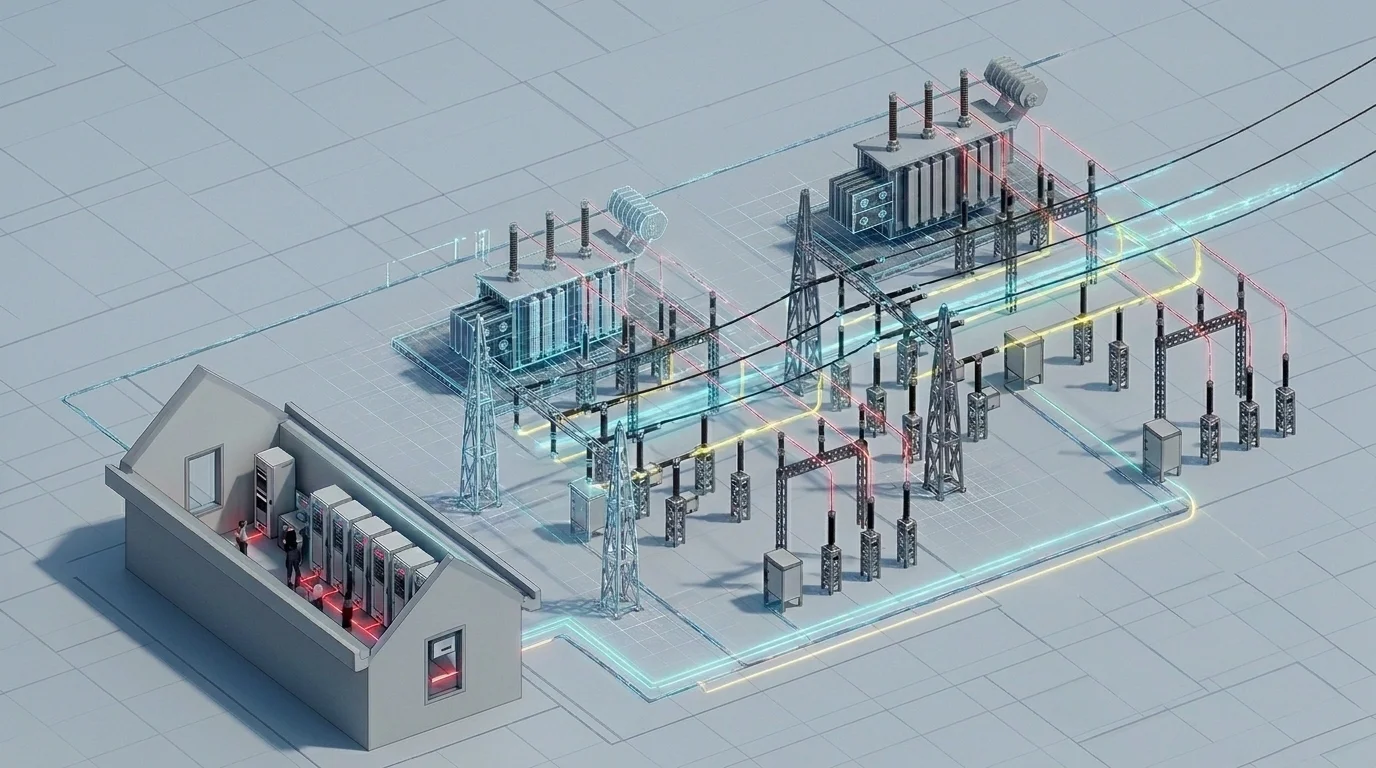
The Workflow Shift: From Hard-Wiring to Digital
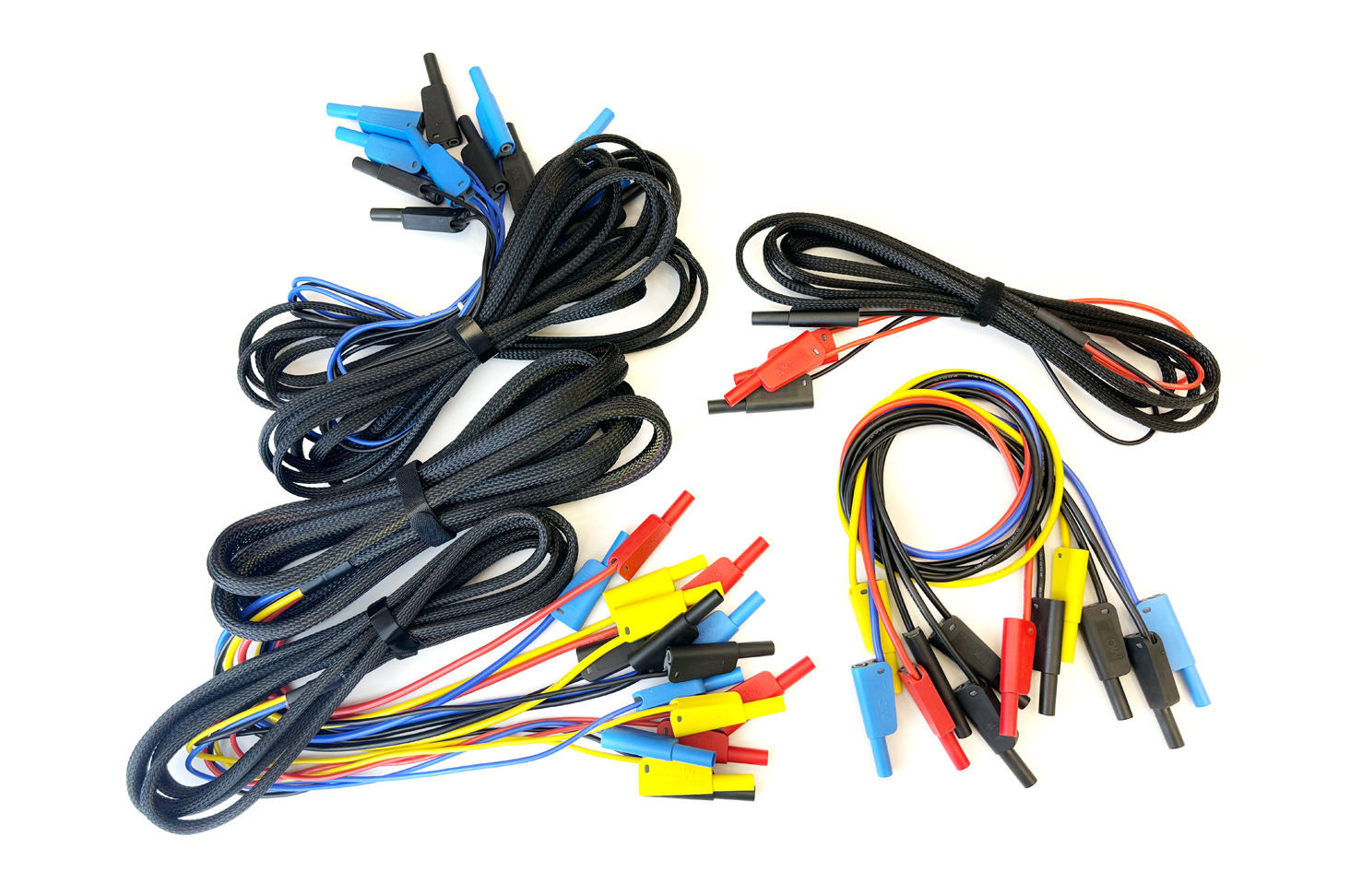
In a traditional substation, relay testing is a labor-intensive physical task. Field teams deal with hundreds of copper wires, heavy test sets, and the constant risk of accidental open CT circuits or wrong terminal connections. A standard secondary injection test involves manual point-to-point verification, which is time-consuming and limits the amount of equipment that can be checked in a single day.
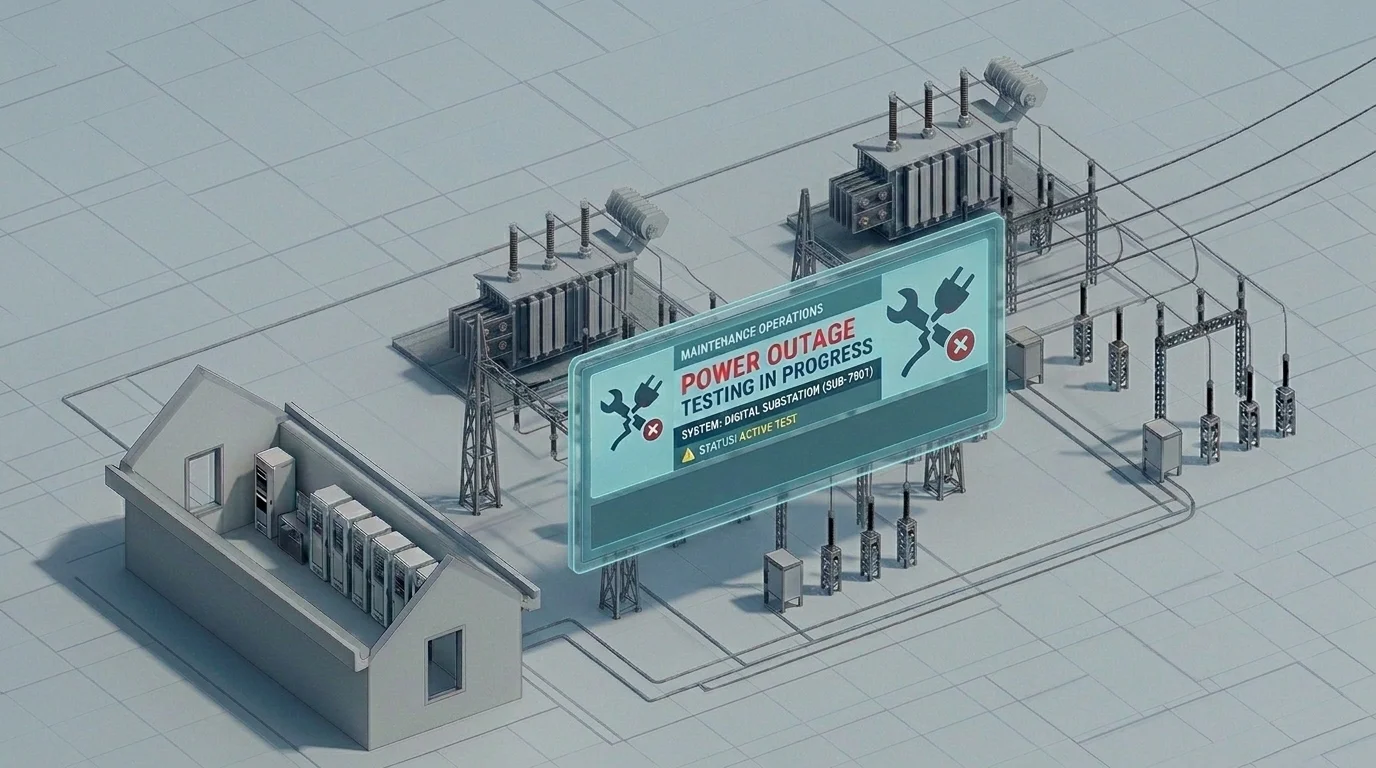
The digital grid, however, replaces the "physical mess" with structured data. In this environment, the testing workflow moves from the terminal block to the fiber optic port. Instead of injecting high-energy analog signals, the focus shifts to simulating Sampled Values (SV) and subscribing to GOOSE messages. This transformation allows for a much cleaner work area, where a single fiber optic cable carries the data that previously required a whole loom of copper.
Why Speed is the New Priority in Smart Infrastructure
Smart Infrastructure demands a higher level of availability. In certain European markets and select grid utilities in the Middle East, downtime is increasingly expensive. This creates a bottleneck: how can teams perform rigorous protection logic verification without spending hours on configuration?
The bottleneck in a mature IEC 61850 environment is often the management of Substation Configuration Language (SCL) files. Managing SCD or CID files is the digital equivalent of reading a massive wiring diagram. For years, this was a slow, manual process. But as the industry enters 2026, the demand is for "instant-on" testing solutions that can parse these complex files in seconds, allowing the engineer to focus on the protection logic rather than the network settings.
Move Even Faster with Modern Testing Tools
To meet the mandate of Smart Infrastructure, the hardware used in the field has undergone its own evolution. The transition from 20kg crates to compact, high-performance instruments is a direct response to the need for faster field movement.
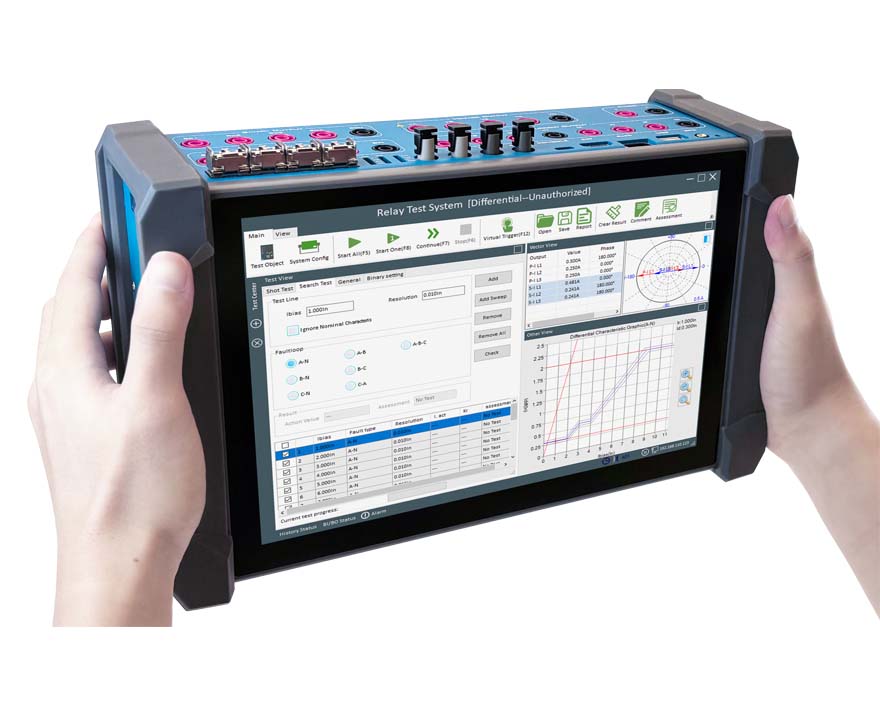
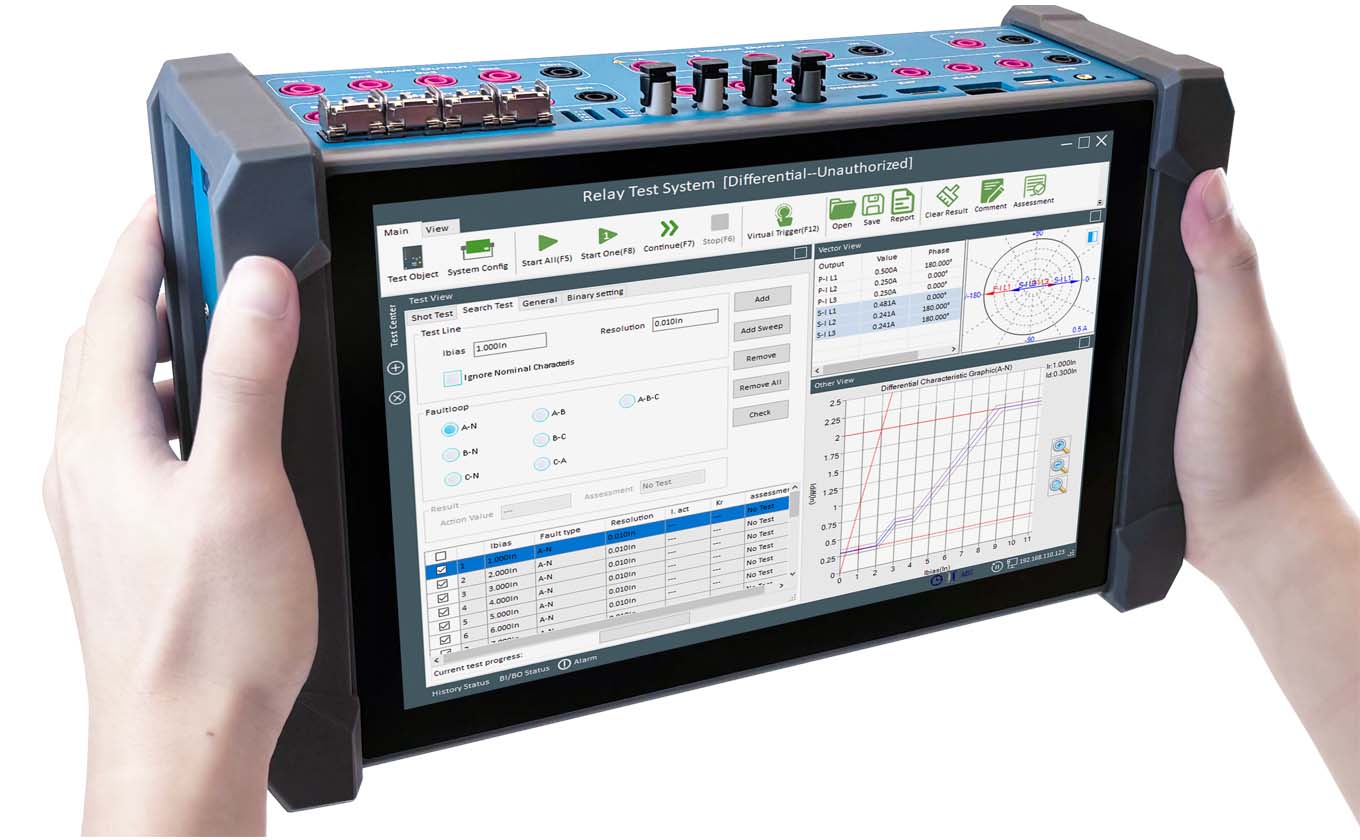
A compact field instrument like the KFA320 represents this shift. Weighing only 3.8kg—about the same as a professional gear bag—it allows a technician to move between panels without the physical strain associated with older equipment. This portability is not just about convenience; it is a vital part of a faster IEC 61850 testing workflow. When the equipment is easy to transport as cabin luggage, it avoids the delays of international logistics and the risks of cargo damage.
Smarter Software for Faster Results
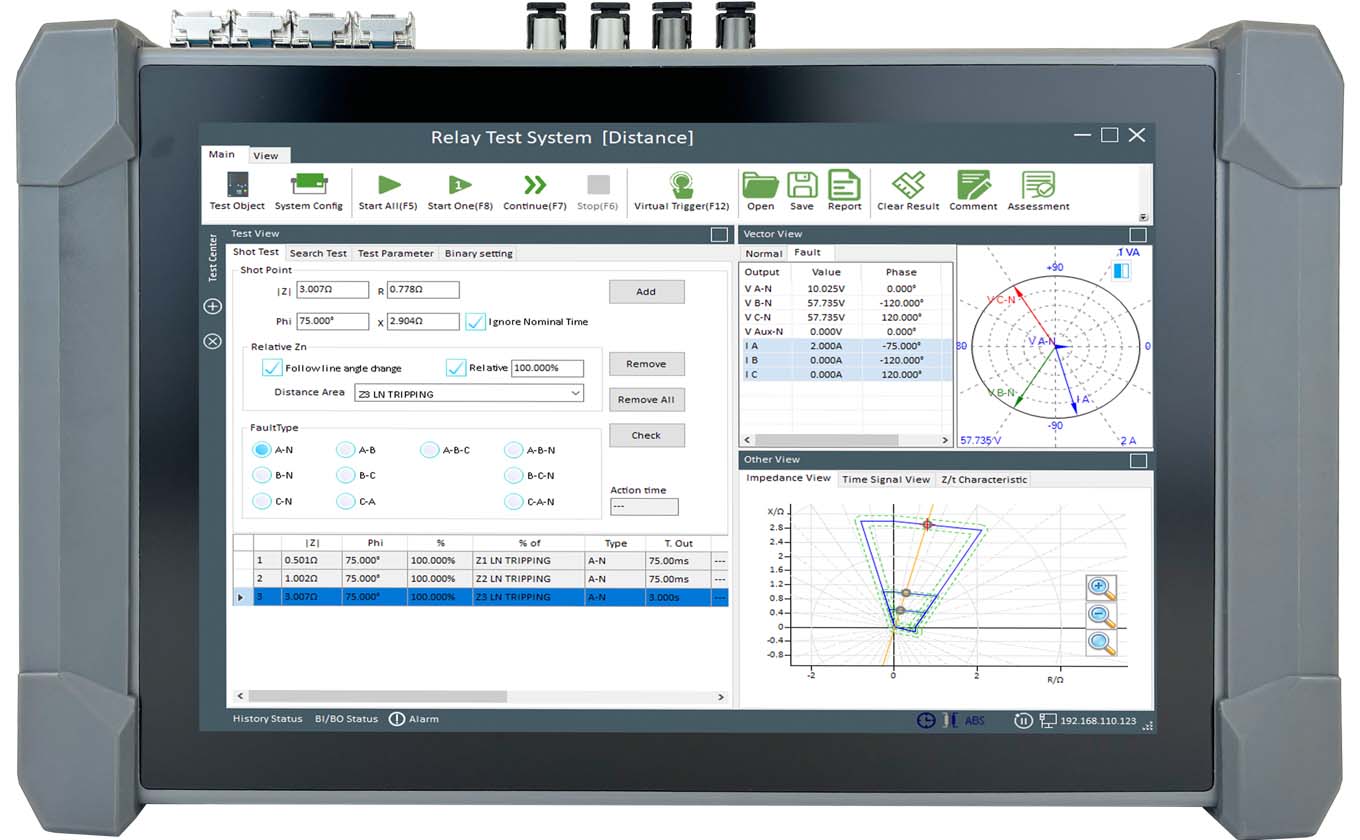
The real speed gain comes from how the device handles the IEC 61850 data. By allowing the direct import of SCD files, the software automatically maps virtual terminals and configures the simulation parameters for SV and GOOSE. This means a test that used to take an hour to set up can now be ready in under five minutes.
Furthermore, having a 10.1-inch touch screen built directly into the unit eliminates the need to carry a separate laptop into a dusty or cramped control room. One can quickly run a simulation, verify a GOOSE trip time, and grab a coffee while the automated report is being generated. It is a more logical, streamlined approach that matches the intelligence of the grid it supports.
Reliability and Modular Maintenance
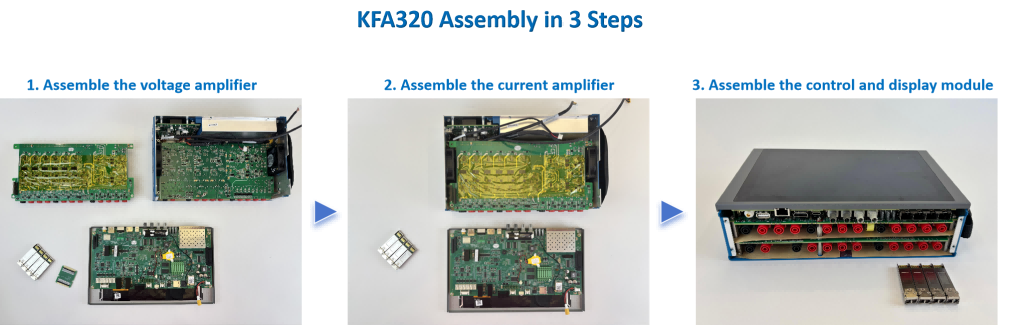
In remote industrial sites or select utilities in Southeast Asia, reliability is a non-negotiable requirement. Modern digital testers now use a modular internal design. If a fiber optic port or a power module requires attention, it can be swapped on-site in about 10 minutes with remote guidance. This "plug-and-play" architecture ensures that the testing schedule stays on track, keeping the smart grid resilient.
A Faster Routine for Digital Era
To achieve the best results in a modern facility, a standardized and automated routine is essential. A typical sequence for high-speed digital relay testing follows these logical steps:
Import the substation SCD file to automatically map the virtual network logic.
Connect the portable tester to the process bus using fiber optic cables.
Perform a quick network scan to verify all Intelligent Electronic Devices (IEDs) are communicating.
Stream Sampled Values to simulate live grid conditions at the relay.
Trigger a fault condition and measure the GOOSE response time for the trip command.
Verify the digital timing and data integrity across the communication bus.
Export the digital report to a secure cloud or USB drive.
This routine allows field teams to complete more tasks per day while maintaining the high precision required by today’s grid standards.
Common Questions in Modern Relay Testing
Is IEC 61850 testing only for brand-new substations?
No. Many substations built over the last 20 years are undergoing upgrades. Modern portable testers are essential for these "brownfield" projects where digital and analog systems often coexist.
Does a lighter tester sacrifice output power?
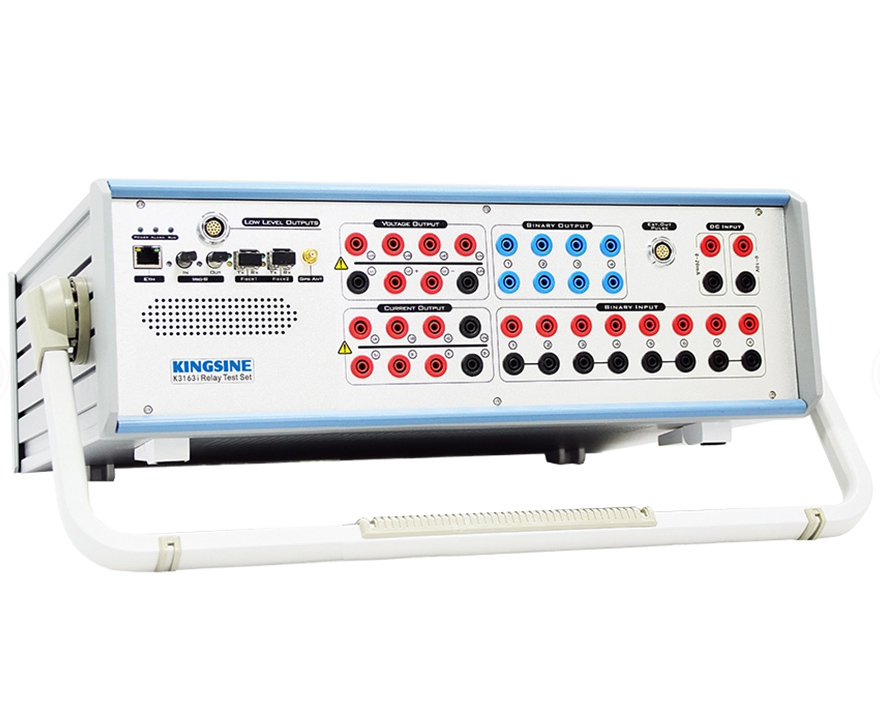
Not necessarily. While they are optimized for digital signals, units like the KFA320 still provide full 6-phase output for traditional testing when required, offering the best of both worlds.
How does automated mapping help with human error?
By reading the SCD file directly, the software eliminates the need for manual IP and MAC address entry. This ensures that the tester is communicating with the correct device every single time.
As the industry moves toward the 2026 vision of Smart Infrastructure, the tools we use must be as efficient and connected as the grids themselves. By focusing on a faster IEC 61850 testing workflow and embracing the convenience of high-performance portability, the electrical testing community is well-positioned for the future.
 English
  日本語
日本語  français
  Deutsch
  Español
  italiano
  русский
  português
  العربية
  Polska