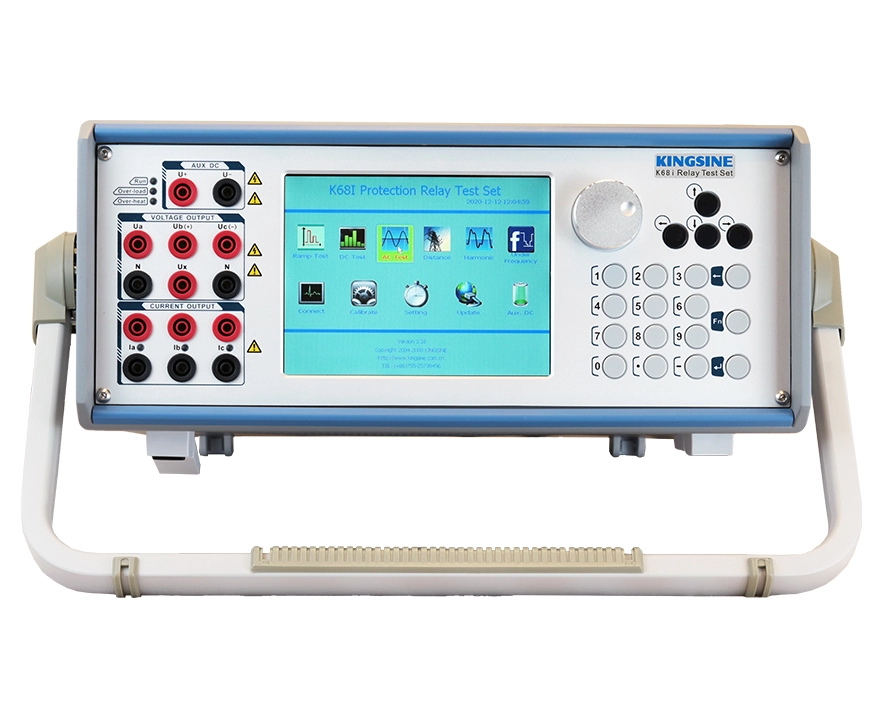
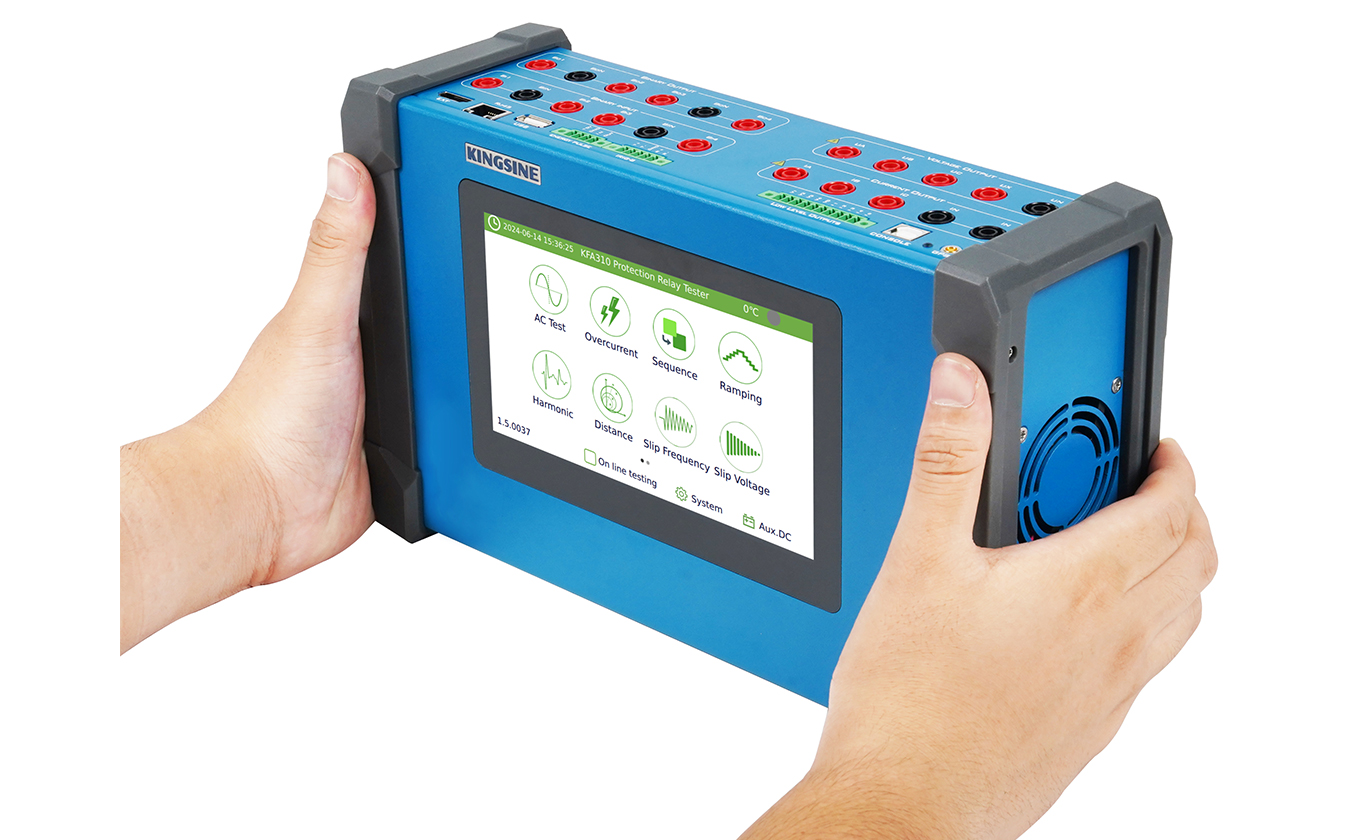
The KFA310 protection relay test set now ships with KRT V3.9, a significant software upgrade that replaces the legacy PC-based control application. For field engineers who spend hours configuring overcurrent curves, running state-sequence sequences, and formatting test reports, the new version introduces four dedicated test modules with streamlined workflows, automated pass/fail assessment, and template interoperability across the KINGSINE product line. This article walks through the key improvements and explains how each feature translates into measurable time savings on site.
What Is KRT V3.9?
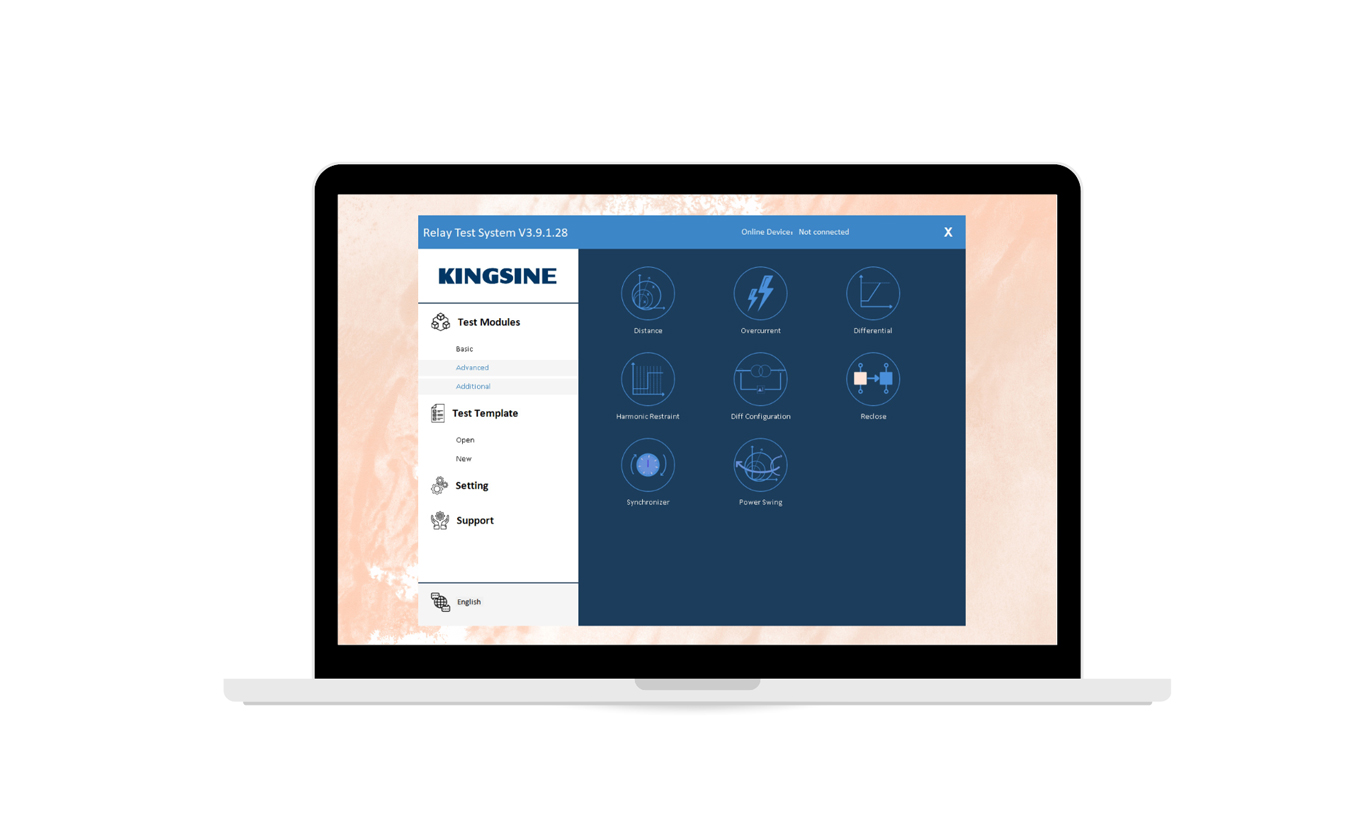
KRT V3.9 is the latest iteration of KINGSINE's relay testing software platform. It consolidates AC injection, ramping, state-sequence, and overcurrent testing into a single interface. Engineers can switch between test types without reloading the application or reconfiguring hardware connections. The software runs on Windows and communicates with the KFA310 hardware over USB or Ethernet.
4 New Test Modules
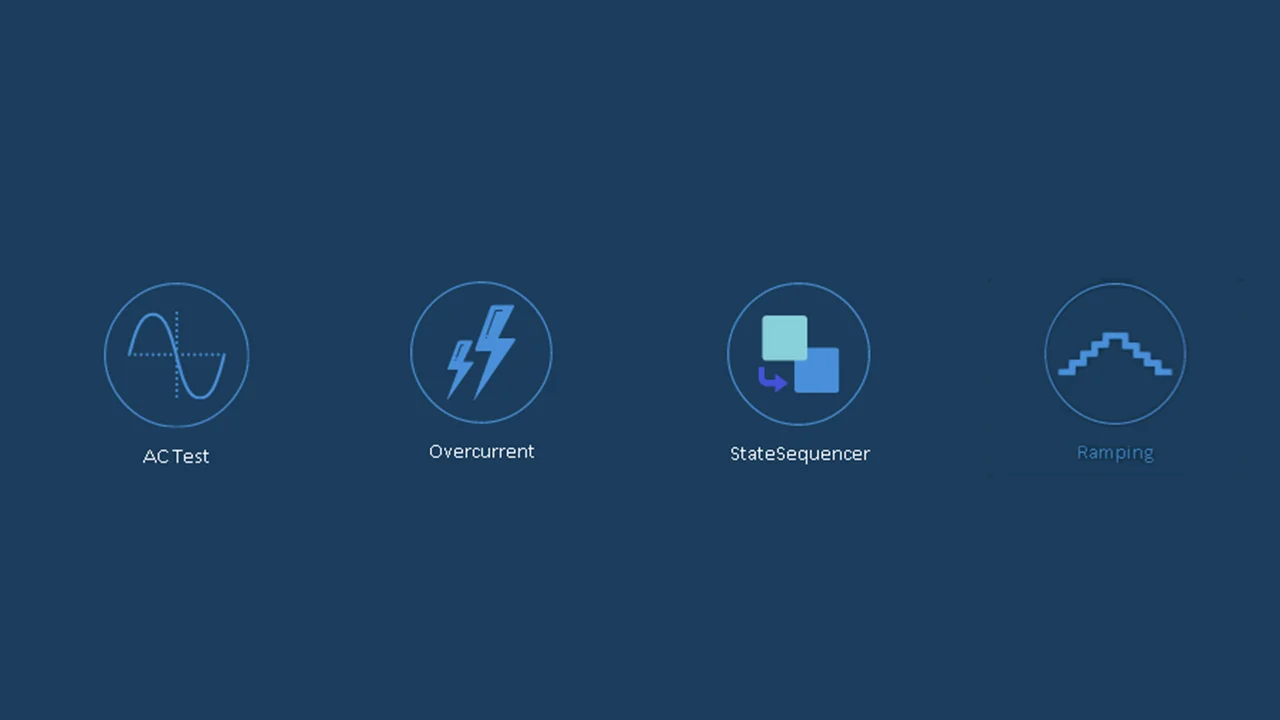
Traditional relay test software often requires separate programs or deeply nested menus for each test type. KRT V3.9 addresses this by introducing four dedicated test modules:
AC Test Module
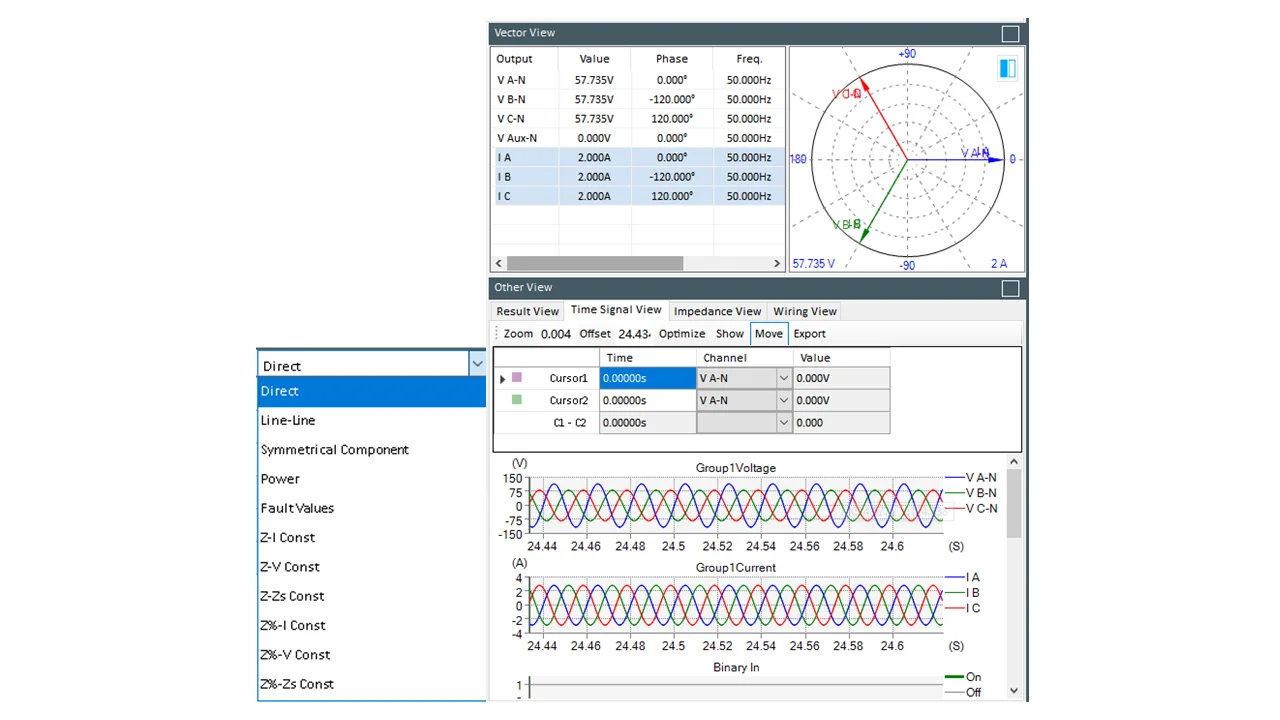
Supports multi-variable amplitude and phase settings with real-time RMS output display and time-domain signal visualization. Engineers can adjust voltage and current vectors on the fly while watching the waveform update instantly, which is particularly useful when fine-tuning directional relay response.
Overcurrent Test Module
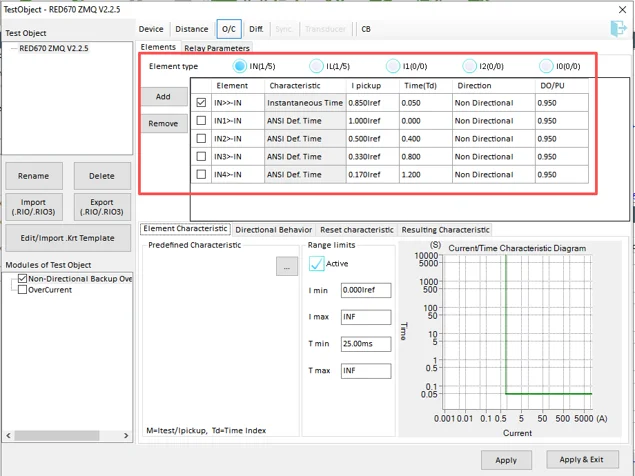
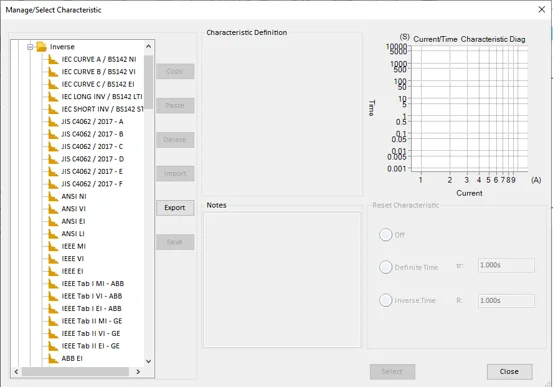
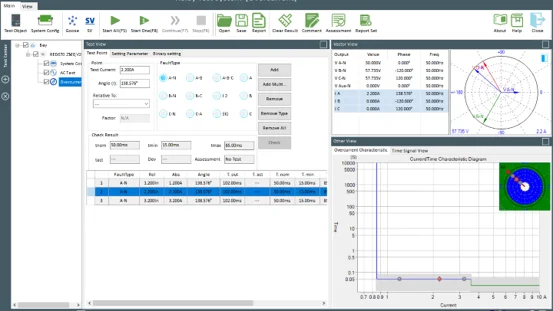
Features a built-in library of standard inverse, very inverse, extremely inverse, and definite-time curves. The module supports multi-element configuration, allowing engineers to test multiple pickup and time-delay settings in a single run. Custom curve data can be imported from manufacturer specifications or created using the built-in curve editor. Multiple test points can be queued, and the software executes the entire sequence automatically.
Ramping Module
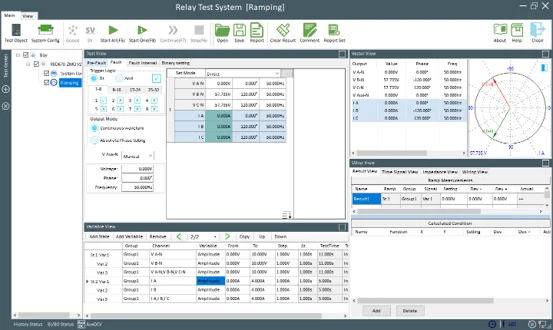
Enables simultaneous multi-variable ramping with configurable step sizes and dwell times. Engineers can define superimposed state transitions—for example, gradually increasing current while simultaneously reducing voltage to simulate a fault recovery scenario. The module also accepts user-defined evaluation formulas, so pass/fail criteria can be tailored to specific relay manufacturer requirements.
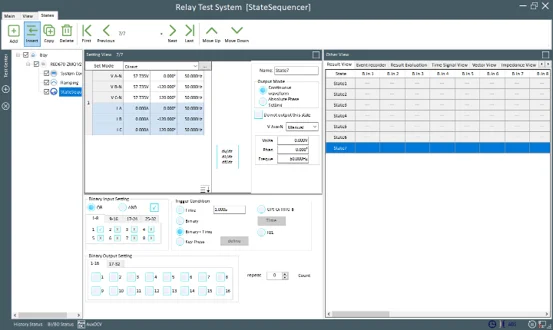
State Sequence Module
Supports multi-transient state switching with automatic result evaluation based on pre-configured thresholds. This module is particularly effective for testing circuit breaker failure (CBF) schemes and autorecloser logic, where the relay must respond to a precise sequence of fault-on, fault-clear, and reclose events.
Automated Result Evaluation
One of the most time-consuming aspects of relay testing is manual result interpretation. KRT V3.9 addresses this by embedding evaluation logic directly into each test module. For overcurrent tests, the software compares measured trip times against the selected curve and reports pass/fail with the actual time error. State sequence tests evaluate whether the relay operated within the configured time window for each state transition.
This automation reduces the risk of human error during high-pressure commissioning schedules and produces consistent, auditable results across different test sessions.
Cross-Platform Template Sharing
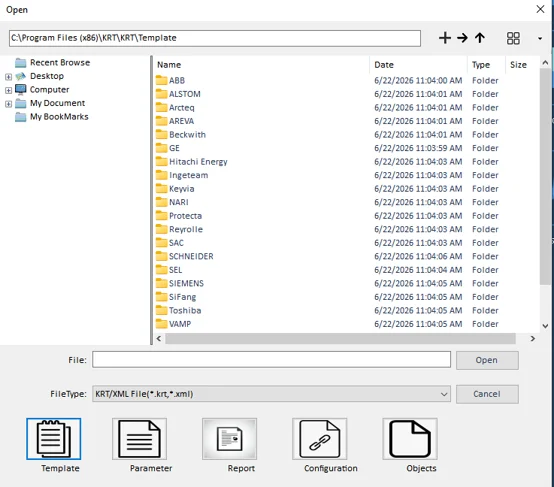
Field teams that operate multiple KINGSINE test sets benefit from the unified template architecture. KRT V3.9 supports the KINGSINE template module library and XRIO file import. Test templates created for the KFA320 series or KF86/KF85 series can be loaded directly into the KFA310 without reconfiguration, and vice versa.
For organizations that maintain standardized test procedures across their fleet, this interoperability eliminates the need to maintain separate template libraries for each device model. Templates can be shared via file transfer or deployed from a central repository.
Customizable Report Generation
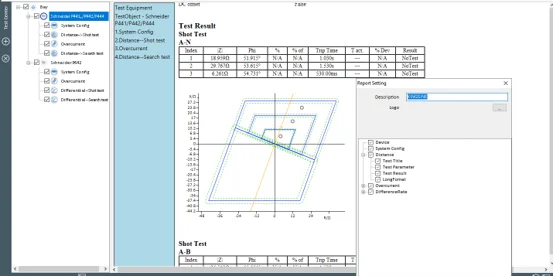
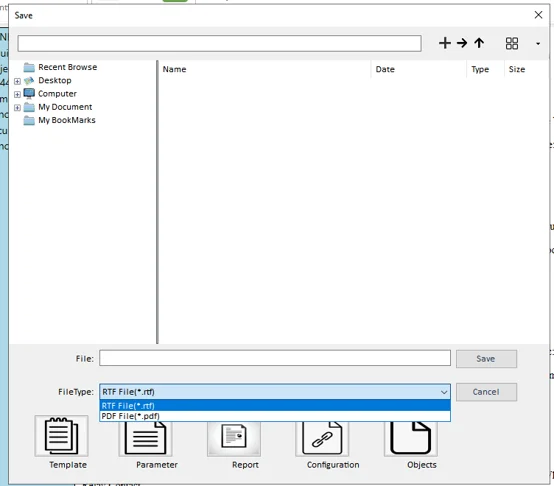
KRT V3.9 includes a built-in report designer that supports both long-format detailed reports and short-format summary reports. Test parameters, company logos, and project information can be pre-configured as templates. Reports are generated in RTF or PDF format with a single click.
The report engine pulls data directly from the test results database, eliminating manual data entry and reducing report preparation time from hours to minutes. For utilities that require standardized documentation for regulatory compliance, the template system ensures consistent formatting across all test reports.
Frequently Asked Questions
Can I share test templates between KFA310 and other KINGSINE devices?
Yes. KRT V3.9 supports the KINGSINE template module library and XRIO import. Test templates created for the KFA320 series or KF86/KF85 series can be loaded into the KFA310, and vice versa. This allows field teams to standardize test procedures across different KINGSINE models.
What operating systems are supported?
KRT V3.9 runs on Windows. Refer to the KINGSINE product documentation for specific system requirements.
How does the template sharing work across different KINGSINE models?
Templates are stored in a standardized XML-based format. When a template is loaded, the software automatically maps the test parameters to the available hardware channels of the connected device. Channel assignments that are not supported by the target hardware are flagged with a warning, allowing the engineer to adjust before execution.
 English
  日本語
日本語  français
  Deutsch
  Español
  italiano
  русский
  português
  العربية
  Polska