When evaluating a relay test set for your team, the spec sheet lists various certifications. But what do these marks actually mean for your day-to-day testing work? CE, FCC, RoHS, IEC 62133—the certifications scroll past in fine print, easy to file away as compliance paperwork. Most engineers have been trained to treat these marks as the manufacturer's problem. In reality, these marks are not paperwork; they are performance guarantees.
Why Certifications Matter
Certifications exist to reduce uncertainty. When you specify test equipment for a project, these marks provide assurance that the device has been tested against established standards.
Each certification answers a question that matters when your test set is on the floor of a live substation: Will this device introduce noise into the measurement circuits? Is its battery rated for the temperature extremes of your region? Can it survive a nearby breaker operation without resetting?
The certification landscape has expanded significantly over the past decade. What was once a simple compliance checklist now involves overlapping standards covering electromagnetic compatibility, environmental compliance, and increasingly, cybersecurity. Understanding what each certification actually guarantees helps you choose equipment that performs reliably in your specific operating environment.
CE, FCC, and ICES: Electromagnetic Compatibility in Dense Substation Environments
Modern substations pack dozens of electronic devices into a single control room. Each device emits electromagnetic energy, and each must tolerate energy from its neighbors. Electromagnetic compatibility (EMC) is the underlying technical requirement—a device must function without causing or suffering unacceptable interference. Different jurisdictions enforce this through their own regulatory frameworks.
CE: Emissions and Immunity
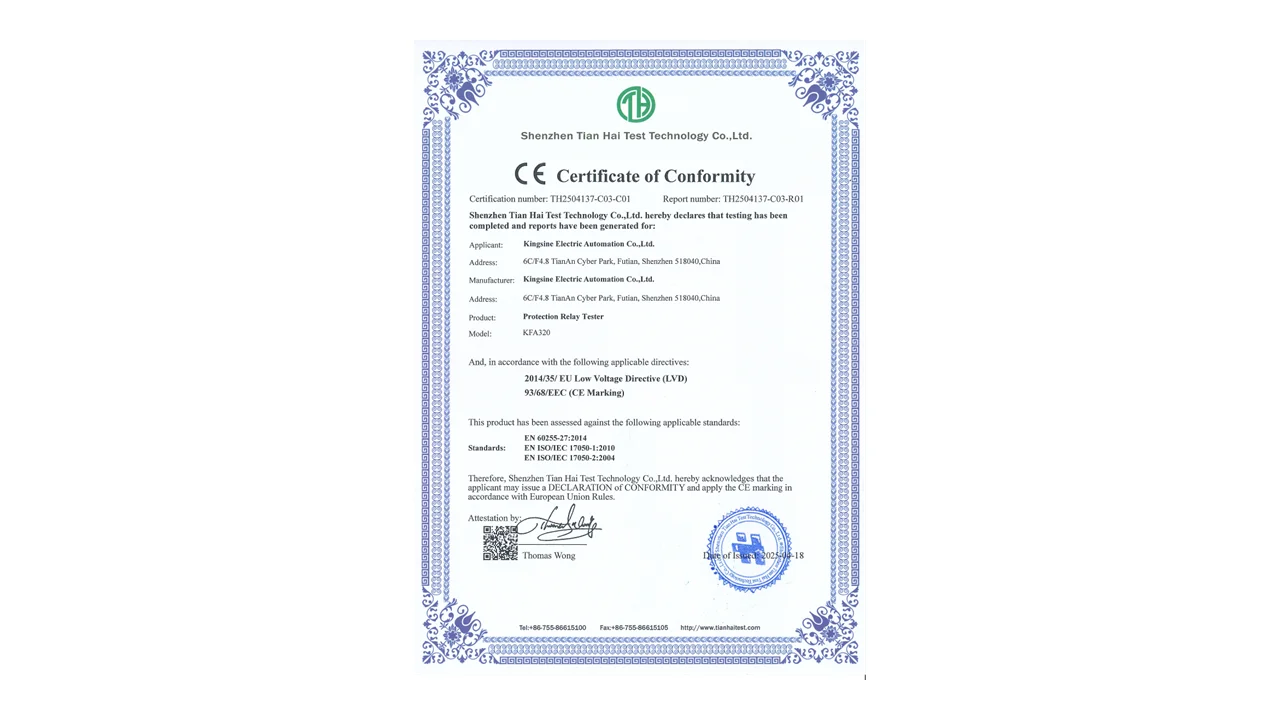
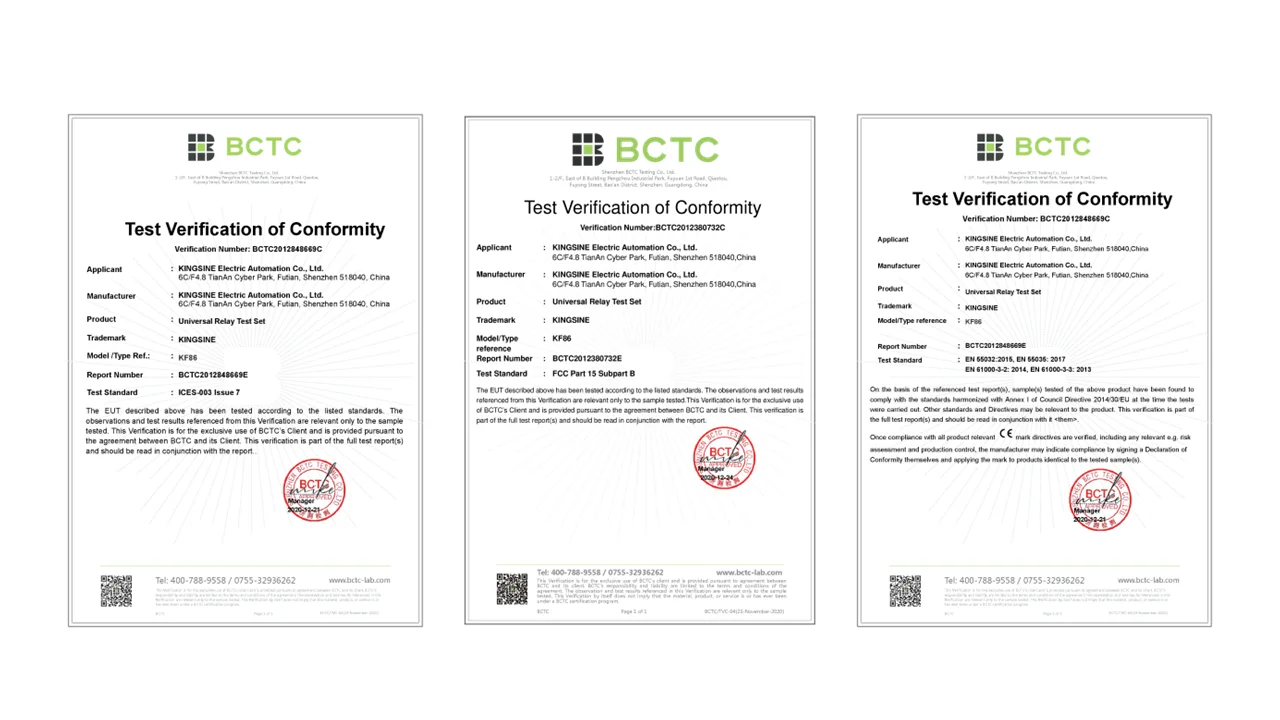
CE marking is a mandatory conformity mark for products sold in the European Economic Area. Under its EMC Directive, CE covers both emission and immunity. It requires testing against EN 55032 for radiated and conducted emissions, EN 61000-3-2 and EN 61000-3-3 for harmonic currents and voltage fluctuations, and the EN 61000-4 series for immunity.
Each of these EN standards is the European adoption of an underlying IEC
international standard—EN 55032 corresponds to CISPR 32, and the EN 61000
series directly mirrors IEC 61000. This means the same technical
requirements apply whether a product is tested to the EN or the IEC version.
FCC Part 15B and ICES-003: North American Emission Limits
FCC Part 15B is the U.S. federal regulation for electromagnetic emissions from digital devices. Its Canadian counterpart, ICES-003 (Innovation, Science and Economic Development Canada), sets equivalent requirements. Both standards focus on emission limits to prevent interference with radio communications.
For your testing work, this has practical consequences. A compliant test set will not inject noise into the substation's measurement circuits. More importantly, its immunity testing means it will continue producing accurate readings when a nearby circuit breaker operates or a power transformer energizes. Both events generate electromagnetic noise that can corrupt measurements from an unprotected device.
RoHS: Restrictions on Hazardous Substances
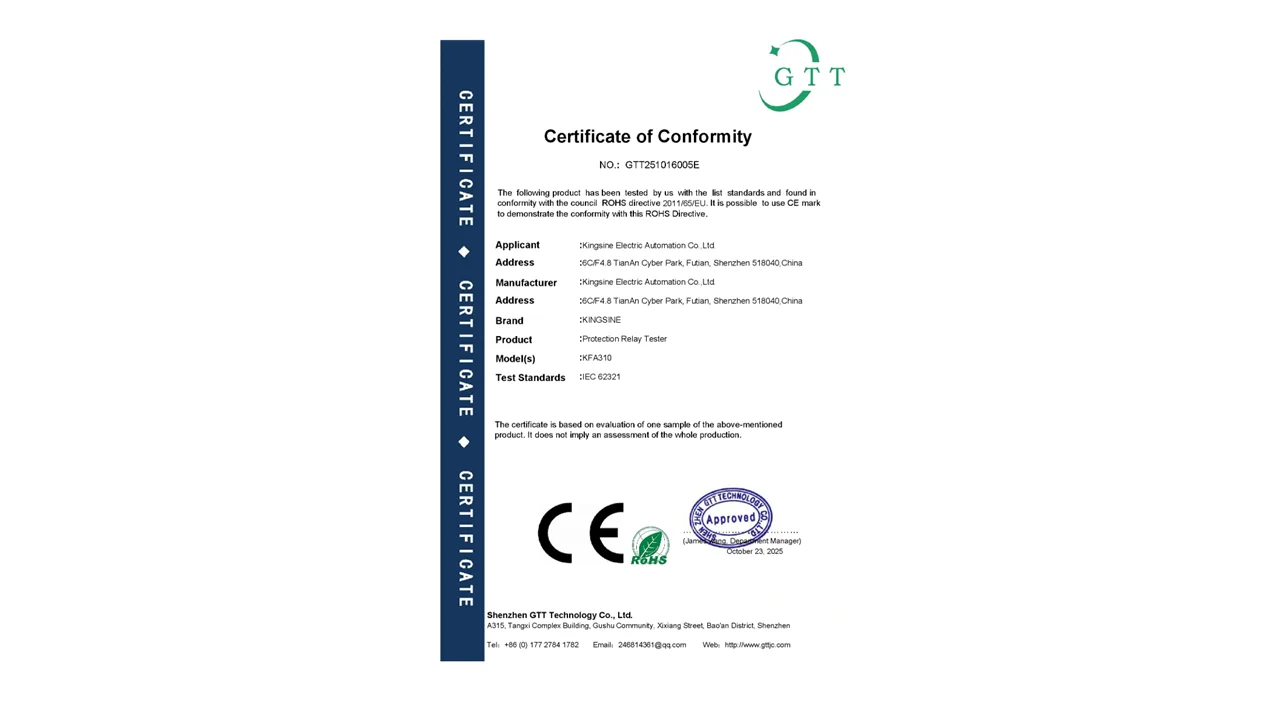
RoHS, or the Restriction of Hazardous Substances Directive, originated in the EU and has been adopted in various forms globally. It restricts lead, mercury, cadmium, and other hazardous substances in electrical and electronic equipment.
PSE Certification: Japan's Electrical Safety Standard
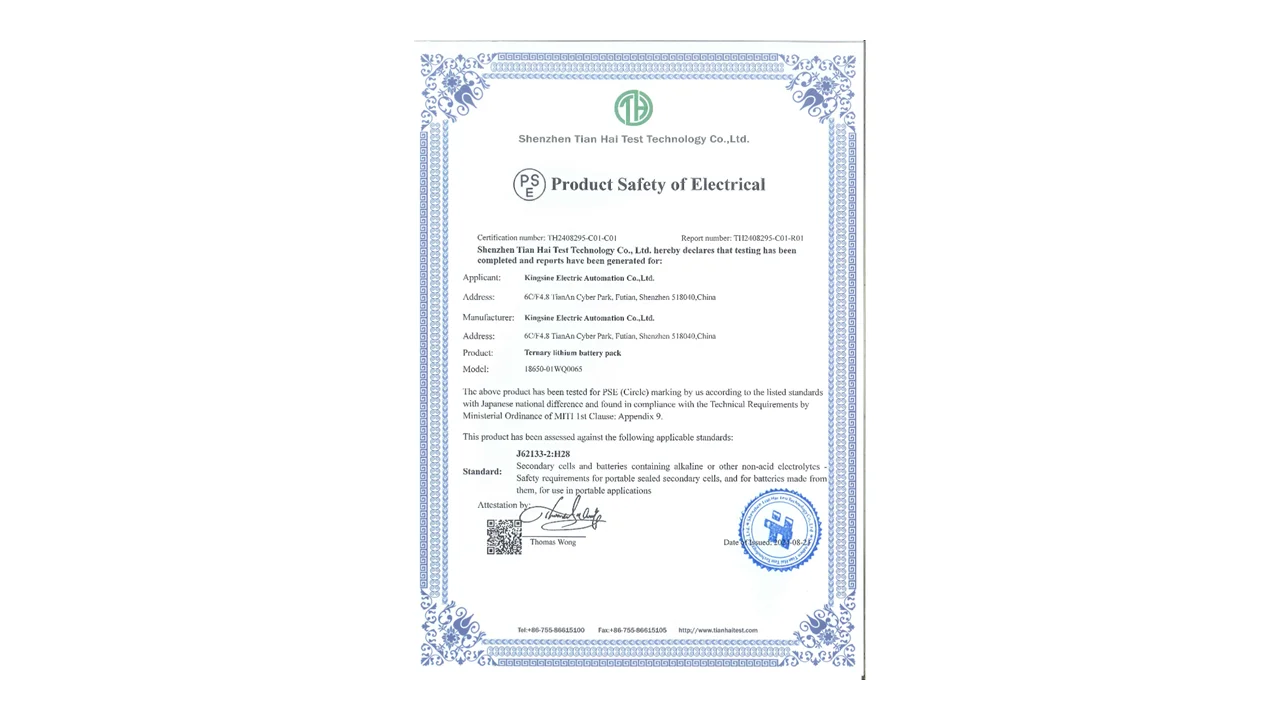
PSE (Product Safety of Electrical Equipment and Materials) is the mandatory safety certification for electrical products sold in Japan. Established under the Japanese Electrical Appliance and Material Safety Law, it requires products to pass testing for electric shock, fire, and mechanical hazards. For test equipment entering the Japanese market, PSE certification is a legal requirement rather than a voluntary mark.
SGCC Type Test: Independent Validation of Extreme-Condition Performance
The SGCC Type Test is a mandatory equipment validation program required by State Grid Corporation of China, the world's largest electric utility by both revenue and customer base. Unlike voluntary commercial certifications, this test is administered by the grid's designated research institute and is a prerequisite for equipment used within its network. It goes beyond typical commercial certifications to simulate real operating conditions of a large synchronous power system.
The test sequence includes insulation withstand at extreme voltages, accuracy drift measurement under high and low temperature cycling, sustained full-load reliability runs, and electromagnetic immunity tests that exceed standard commercial limits. Equipment that passes this program has proven it can operate reliably under demanding field conditions.
For engineers working on projects with rigorous equipment qualification requirements, this certification provides independent validation of ruggedness beyond what standard commercial marks offer.
IEC Standards: The International Benchmark
Established in 1906, the International Electrotechnical Commission (IEC) develops global standards for electrical, electronic, and related technologies. With over 200 technical committees, its standards cover everything from battery safety to industrial cybersecurity. Many regional regulations—including EN standards in Europe and parts of FCC requirements—are built on or reference IEC base standards, making IEC the common denominator behind certifications that appear on a spec sheet.
The fastest evolving certification area within the IEC framework addresses digital threats. As substations adopt IEC 61850 and Ethernet-based communication, test equipment that connects to station networks becomes part of a broader digital system. This introduces cybersecurity considerations that did not exist a decade ago.

IEC 62133: Battery Safety for Portable Equipment
Portable test equipment is becoming the standard for field work. Engineers carry lightweight test sets to remote substations, wind platforms, and solar farms. These devices contain lithium-ion batteries. Battery safety is governed by IEC 62133-2:2017 and its 2021 amendment, an international standard for the safety of portable sealed secondary cells. It specifies tests for overcharge, short circuit, and physical crush scenarios to ensure that a battery failure does not escalate into a fire or explosion during field use.
IEC 62443: Industrial Network Security
IEC 62443 is an international standard series for industrial communication network security. Originally developed for factory automation and oil and gas, it is now being adopted by the power utility sector as grid operators recognize protection relays as critical infrastructure assets.
IEC 62351 and IEC 61508: Power System Security and Functional Safety
IEC 62351 complements IEC 62443 by addressing security specifically for power system communications. IEC 61508 defines functional safety principles that influence how protection systems are designed and validated.
These standards are not yet mandatory for all applications. But forward-looking grid operators are increasingly referencing them in procurement specifications. Test equipment designed with these standards in mind offers longer relevance as cybersecurity requirements tighten across the industry.
UL Certification: Safety Assurance for North American Field Use
UL certification is an independent safety evaluation widely recognized in North America. The applicable standard, UL 61010-1, examines protection against electric shock, fire hazards, and abnormal temperature rise under fault conditions. Equipment that carries this mark has been verified for enclosure integrity, insulation, and protective circuit performance by an independent laboratory.
KINGSINE Certification Coverage
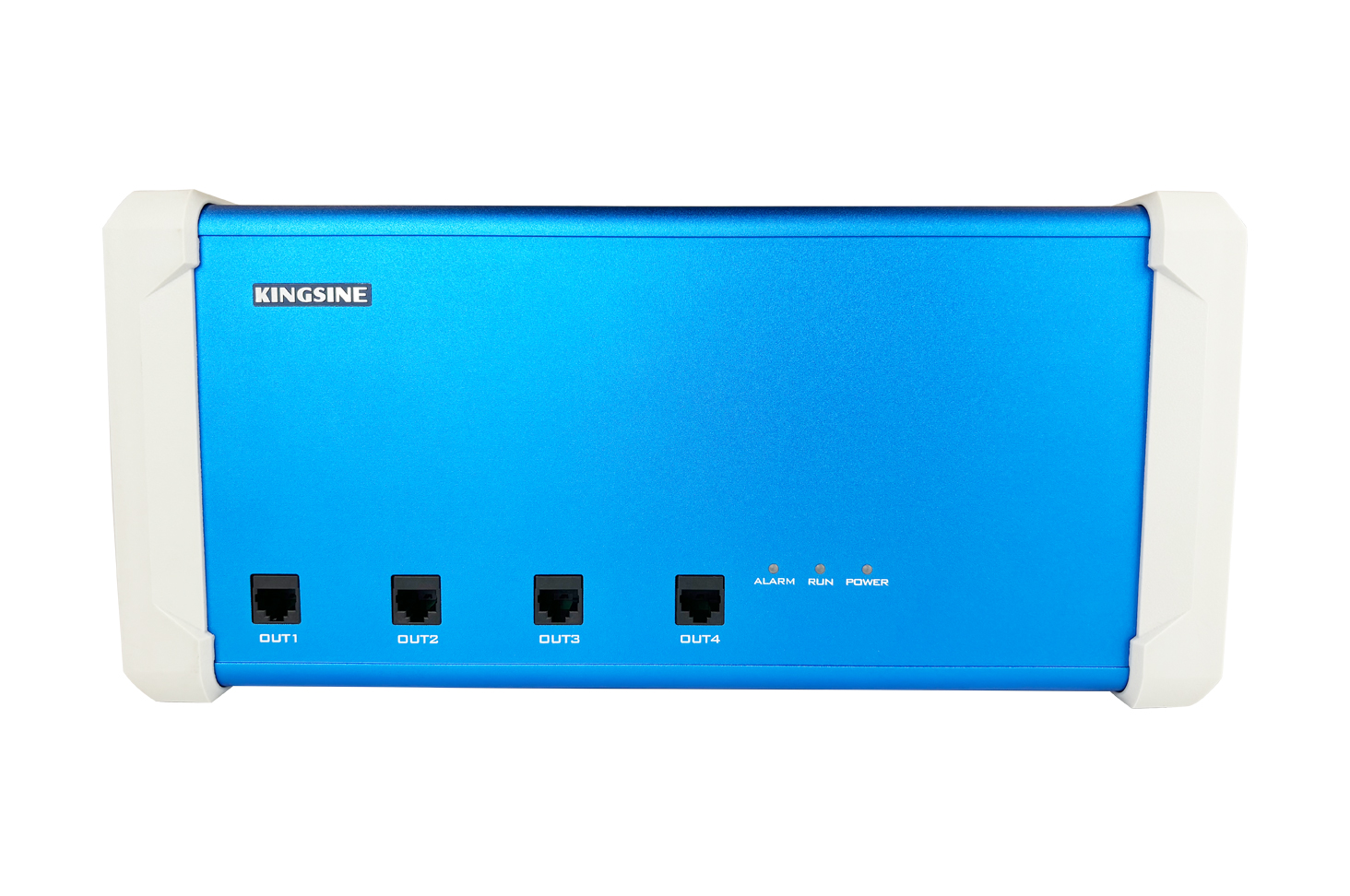
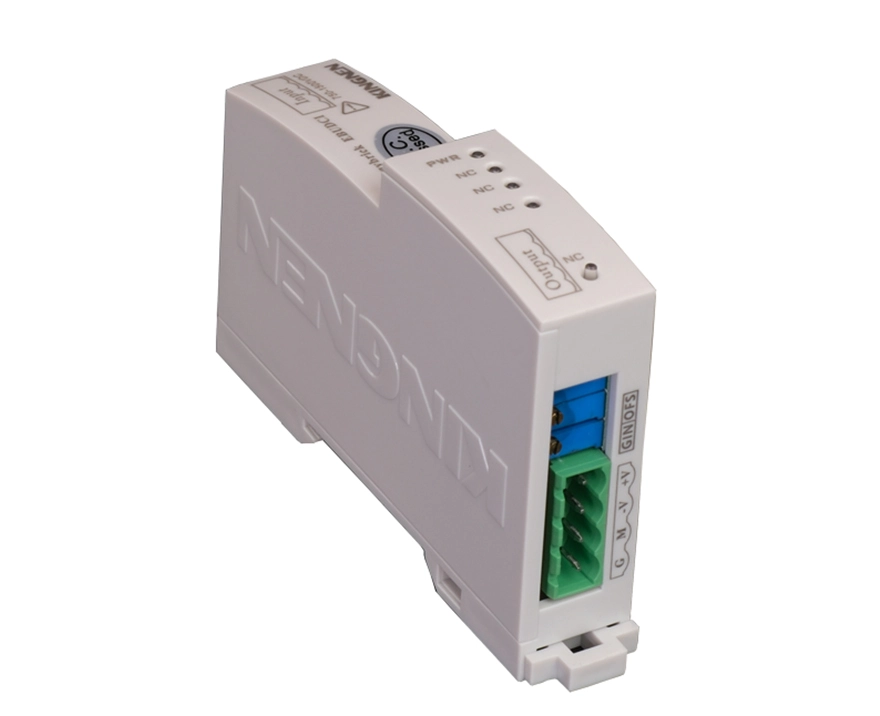
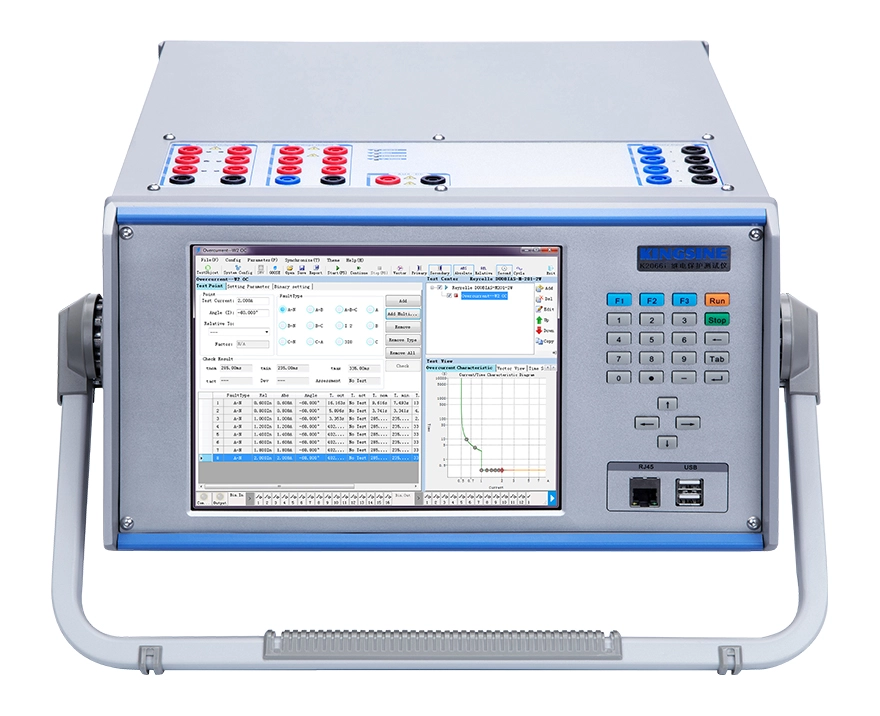
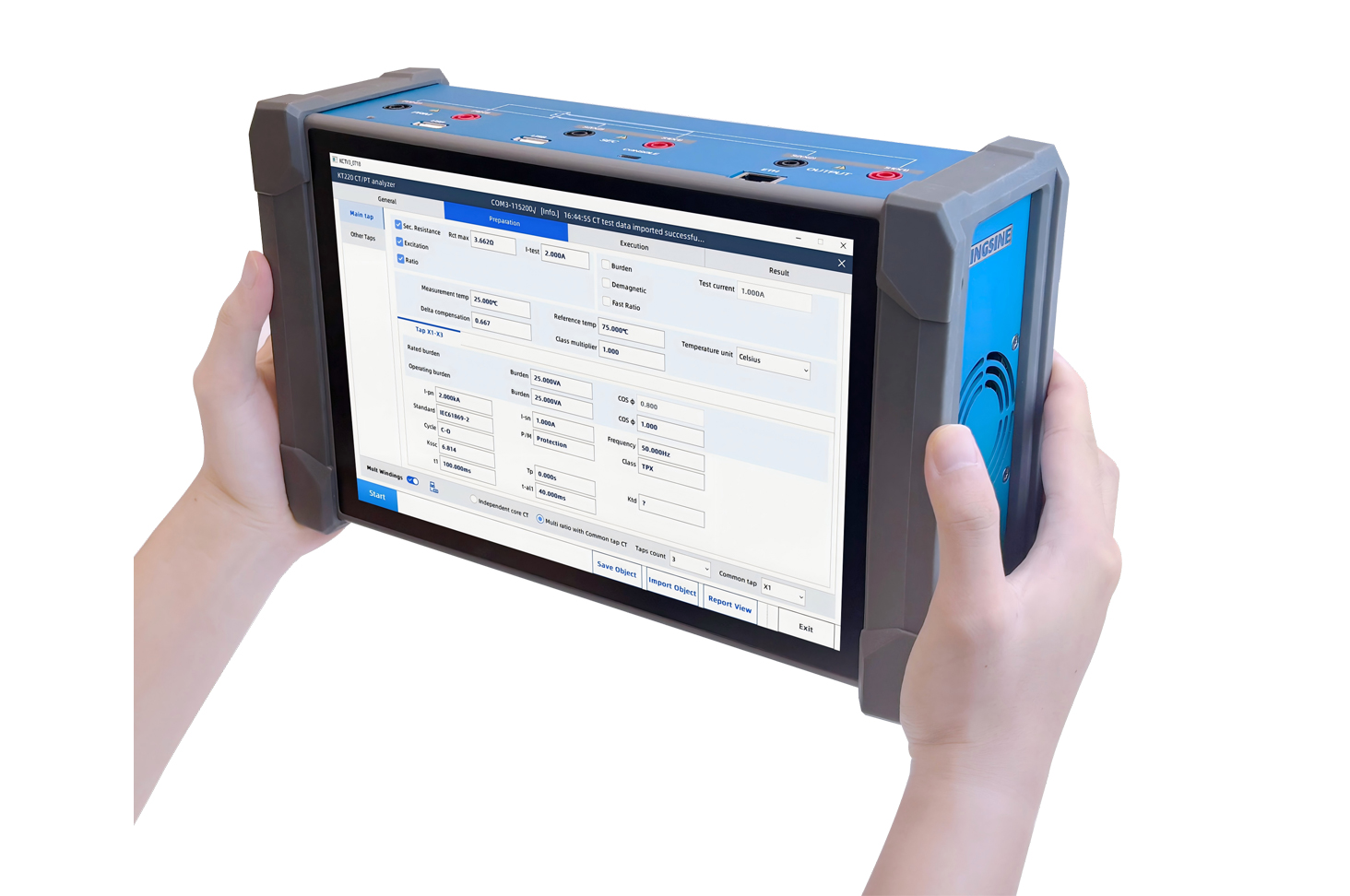
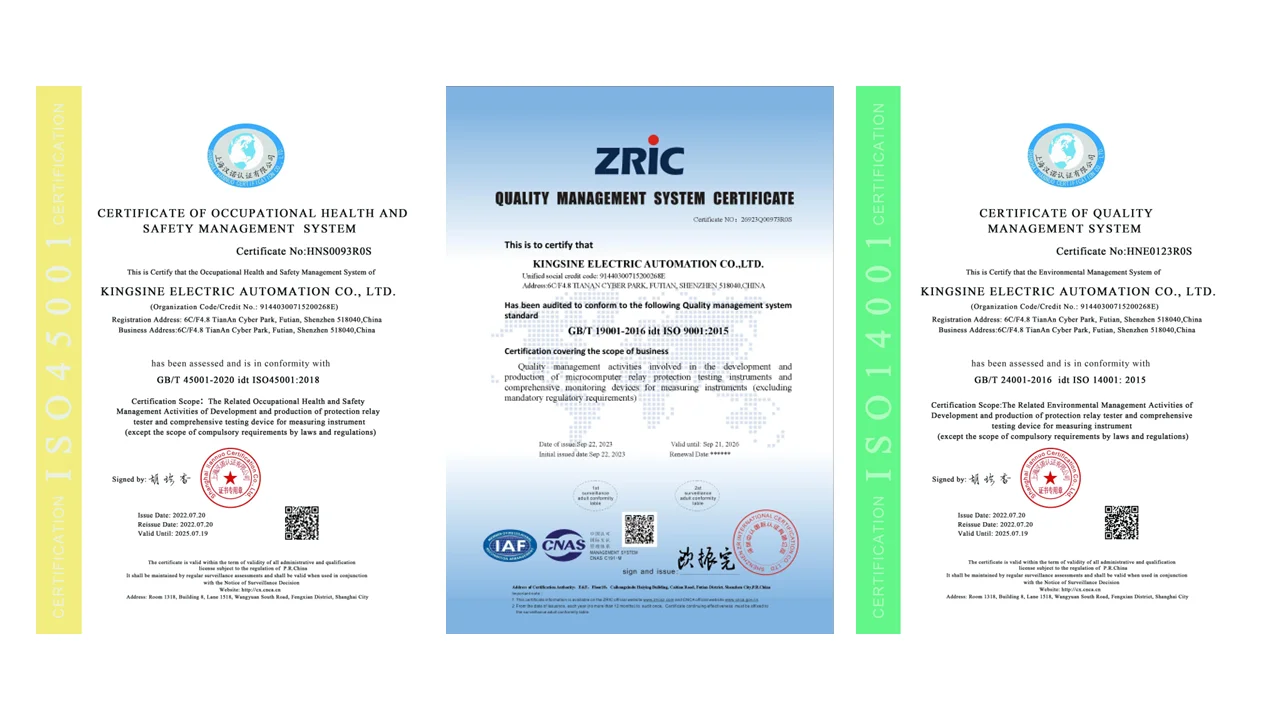
KINGSINE Electric, established in 1999, manufactures relay test sets and CT/PT analyzers for the global market. The company holds ISO 9001, ISO 14001, and ISO 45001 management system certifications. Core relay test products comply with CE, FCC, RoHS, and IEC 62133 requirements as applicable to their target markets. Products for the Japanese market carry PSE certification. CT/PT analyzers and other instruments in the lineup carry additional certifications including UL where required. Select models have completed the SGCC Type Test through the designated testing institute. The company also holds calibration certificates from the National Institute of Metrology (NIM, China), ensuring metrological traceability.
FAQs
Does CE marking cover both emissions and immunity?
Yes. CE marking under the EMC Directive requires compliance with both emission limits and immunity requirements. The specific tests depend on the equipment classification.
What makes the SGCC Type Test different from standard certifications?
The SGCC Type Test applies more severe test limits and longer duration tests than typical commercial certifications. It is designed to validate equipment for the operating conditions of a large synchronous power grid.
Do cybersecurity standards apply to relay test equipment?
IEC 62443 certification is becoming relevant for test equipment that connects to substation networks. While not yet universally required, procurement specifications increasingly reference it.
 English
  日本語
日本語  français
  Deutsch
  Español
  italiano
  русский
  português
  العربية
  Polska